
FT LAUDERDALE

TAMPA

FT LAUDERDALE

FT LAUDERDALE

We serve patients in multiple languages

Why Concussions Don’t Just ‘Heal on Their Own’: The Science Behind Brain Injury and the Case for Specialized Care

Integrative Care for Concussion / Head Injury Sufferers
in Ft. Lauderdale and Boyton Beach, Florida

Introduction: The Two-Week Myth and Why It Persists

If you have ever had a concussion, chances are you were told something like this: “Give it two weeks and you’ll be back to normal.” It is a reassuring message—but for a significant number of concussion patients, it is simply not true. And the reason it persists has a lot to do with how poorly understood concussions still are, even in mainstream medicine.

The idea that concussions resolve on their own within a short window of time is one of the most entrenched misconceptions in brain injury care. It has led to undertreated patients, unnecessary suffering, and a culture where people are expected to “push through” symptoms that are, in fact, signals of ongoing neurological dysfunction.

At Radius TBI, we are dedicated to changing that narrative. Understanding what actually happens in the brain during and after a concussion is the first step toward getting the right care—and the right outcomes.

What Is a Concussion, Really?

A concussion is not simply a bruise on the brain. That framing, while intuitive, dramatically undersells the complexity of what actually occurs at the cellular level following a concussive force.

A concussion is a metabolic disruption. When the brain is subjected to a rapid acceleration-deceleration force—as happens in a sports collision, vehicle accident, or fall—the neurons within the brain undergo a sudden, dramatic disturbance in their normal chemical and electrical functioning. This disruption triggers what neuroscientists call the “concussion metabolic cascade.”

Here is a simplified overview of what happens:

  • At the moment of impact, neurons throughout the brain fire simultaneously and uncontrollably, releasing large amounts of neurotransmitters
  • This mass neuronal firing disrupts normal electrical signaling across the brain
  • The brain initiates an energy-intensive repair process, demanding large amounts of glucose to restore ionic balance
  • Simultaneously, blood flow to the brain may be reduced, limiting the delivery of the glucose and oxygen the brain desperately needs
  • This mismatch between energy demand and energy supply creates a period of profound neurological vulnerability

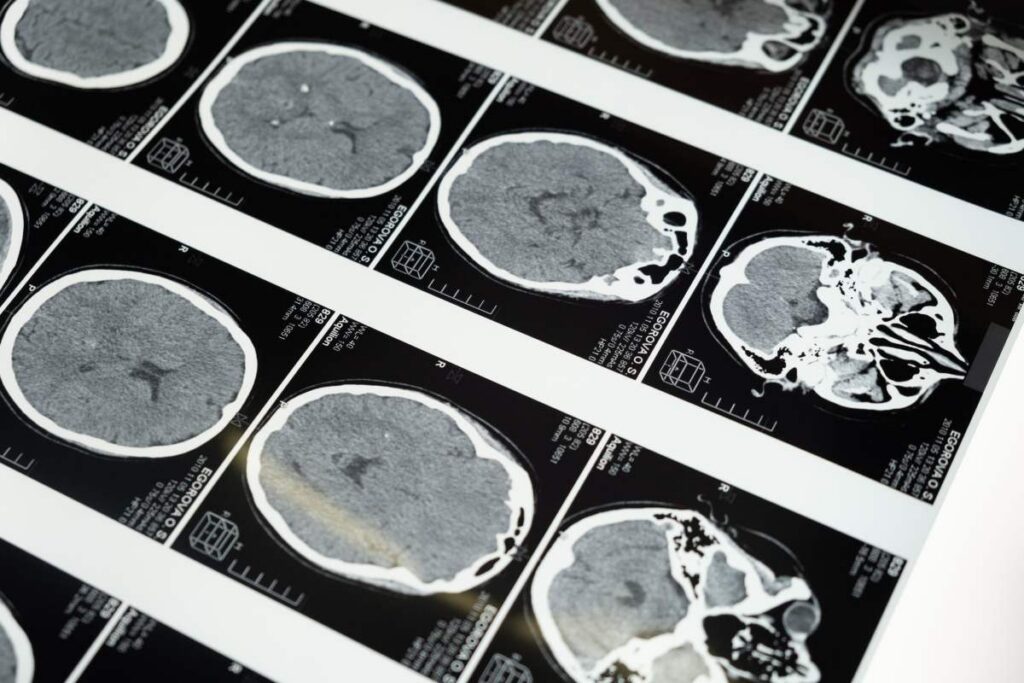
This process is entirely invisible on standard CT scans and conventional MRI. There is no bleeding, no obvious structural damage—and yet the brain is in a state of significant functional crisis. This is why so many concussion patients are told they are “fine” after imaging, even when they are clearly symptomatic.

Why Standard Imaging Falls Short

Why standard imaging falls short
The cellular disruption that defines a concussion—the ionic imbalances, the metabolic crisis, the microscopic shearing of white matter axons—does not appear on CT scans

CT scans and MRI are invaluable tools in emergency medicine. When a patient arrives in an emergency room following a head injury, imaging is essential for ruling out life-threatening conditions such as intracranial hemorrhage, skull fracture, or dangerous levels of brain swelling. These conditions require immediate intervention, and standard imaging excels at identifying them.

But concussions are different. The cellular disruption that defines a concussion—the ionic imbalances, the metabolic crisis, the microscopic shearing of white matter axons—does not appear on CT scans. It is typically invisible on standard MRI as well. These tools were not designed to detect functional disruption at the microscopic level, and they cannot.

This is a critical gap in how concussions are commonly diagnosed and communicated. When a patient is told their imaging is clear, it is accurate in the narrow sense that there is no structural emergency. But it does not mean the brain is functioning normally. It does not mean the patient’s symptoms are imagined. And it absolutely does not mean that treatment is unnecessary.

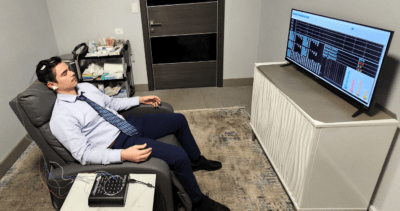
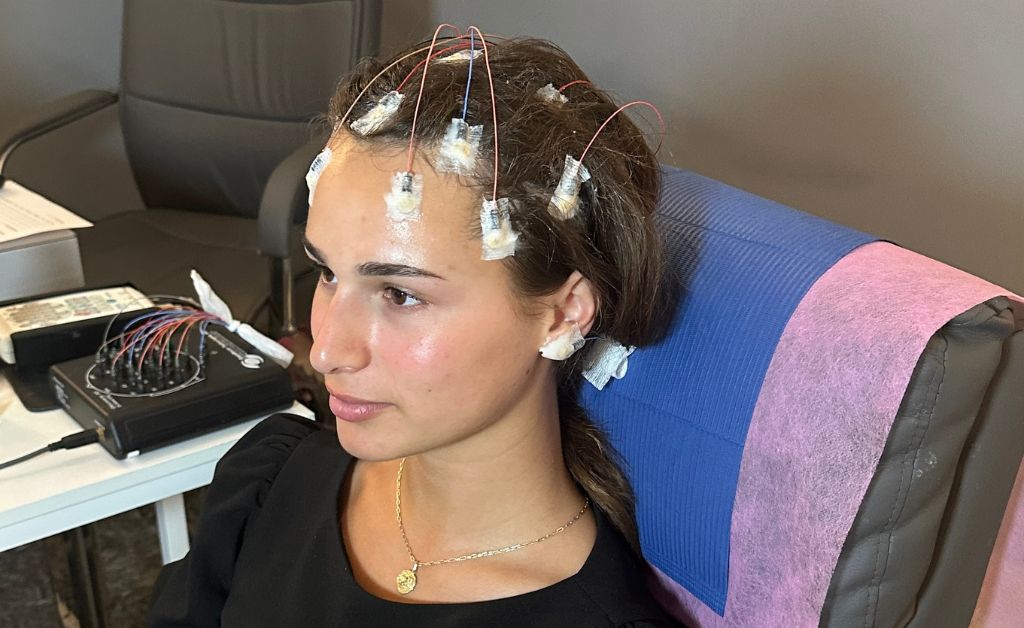
Advanced diagnostic approaches—including detailed neurological assessment, vestibular and oculomotor testing, neuropsychological evaluation, and in some cases functional imaging—can provide a far more comprehensive picture of how the brain is actually working following an injury.

Recognizing the Symptoms: When Your Brain Is Asking for Help

Recognizing the symptoms when your brain is asking for help
Mood changes and anxiety frequently reflect disruption in the brain’s limbic system or autonomic nervous system

One of the most important things to understand about concussion symptoms is that they are communication. When your brain is not functioning optimally following an injury, it sends signals through the symptoms you experience. These signals should never be dismissed or waited out indefinitely—they should be evaluated.

Common post-concussion symptoms include:

  • Brain fog and difficulty with concentration or memory
  • Headaches, often persistent or worsening
  • Mood changes, including irritability, sadness, or emotional dysregulation
  • Sensitivity to light (photophobia) or sound (phonophobia)
  • Sleep disturbances, including insomnia or hypersomnia
  • Dizziness, balance problems, or vestibular dysfunction
  • Visual disturbances, including difficulty tracking or reading
  • Fatigue disproportionate to activity level
  • Anxiety or heightened stress response

These symptoms are not random. Each reflects a specific area of neurological disruption. Visual disturbances, for example, are often tied to dysfunction in the visual processing pathways or oculomotor system. Mood changes and anxiety frequently reflect disruption in the brain’s limbic system or autonomic nervous system. Balance and dizziness symptoms are commonly associated with vestibular pathway disruption.

Understanding the neurological basis of each symptom is essential to designing effective treatment. A protocol that addresses one symptom domain without evaluating the others will inevitably leave gaps in recovery.

The Case for Multidisciplinary, Specialized TBI Care

Because concussion affects multiple neurological systems simultaneously, effective treatment requires more than a single specialist and more than a single modality. This is the foundational principle behind Radius TBI’s approach to care.

At Radius TBI, our team includes neurologists, neuro-ophthalmologists, ENT specialists, and other clinicians who work collaboratively to evaluate and treat the full picture of a patient’s brain injury. This is not incidental—it is intentional, because we know that the best outcomes come from treating the whole brain, not just its most obvious symptoms.

Here is what that looks like in practice:

  • A neurologist assesses the overall neurological impact of the injury, reviews history, and coordinates the care plan
  • A neuro-ophthalmologist evaluates the visual and oculomotor pathways, identifying disruptions in eye tracking, convergence, and visual processing that are common following TBI
  • An ENT specialist assesses vestibular function, identifying inner ear and balance system dysfunction that contributes to dizziness and spatial disorientation
  • Additional specialists may be incorporated based on individual symptom profiles

This integrated model ensures that no symptom domain is overlooked and that each aspect of the treatment plan is informed by a complete clinical picture. It also allows for more precise targeting of therapies, resulting in more efficient and durable recovery.

Recovery Is Possible—With the Right Support

It is important to be direct about this: concussion recovery is real, and meaningful improvement is achievable for the vast majority of patients who receive appropriate, timely care. The brain is a remarkably adaptable organ. Its capacity for neuroplasticity—the ability to form new connections and reorganize its functional networks—means that even patients who have been symptomatic for extended periods can experience significant improvement.

But that recovery does not happen by accident. It happens through targeted intervention. It happens when patients are evaluated thoroughly, when their symptoms are taken seriously, and when treatment is designed around the specific patterns of dysfunction in their individual brain.

At Radius TBI, we have seen patients who were told there was nothing wrong—patients who were dismissed, who were told to just rest and wait—achieve genuine, meaningful recovery after receiving specialized care. That is why this work matters. And that is why accurate information about concussion and TBI is not just medically important—it is life-changing.

When to Seek Specialized TBI Care

You should consider consulting with a TBI specialist if:

  • You experienced a head injury and your symptoms have not fully resolved after the acute period
  • You were told your imaging was normal but you are still experiencing cognitive, physical, or emotional symptoms
  • Your symptoms are interfering with work, school, relationships, or daily functioning
  • You have been experiencing symptoms for weeks, months, or longer following a concussion
  • You have received a diagnosis of post-concussion syndrome and are not seeing improvement with current care
  • You are experiencing mood changes, anxiety, or emotional dysregulation that began or worsened after a head injury

There is no benefit to waiting when it comes to brain health. Earlier intervention generally correlates with better outcomes, and the longer a concussion goes unaddressed, the more complex the recovery process can become.

Your brain deserves specialized support. At Radius TBI, our multidisciplinary team—including neurologists, neuro-ophthalmologists, ENT specialists, and more—works together to treat the whole picture of your brain injury. Don’t wait. Call us today to learn more and begin your path to healing.

DID YOU KNOW?

TBI is a major cause of death and life-long disability in the United States. (including all levels of severity)

  • An estimated 1.5 million Americans sustain a TBI (Sosin, Sniezek and Thurman 1996); 
  • 50,000 die from these injuries; and 80,000 to 90,000 experience onset of long-term disability (CDC 1999). 
  • An estimated 5.3 million Americans live with a permanent TBI-related disability today (CDC 1999).

According to the report to Congress on mild traumatic brain injury in the United States. Centers for Disease Control and Prevention; 2003. https://www.cdc.gov/traumaticbraininjury

Blogs