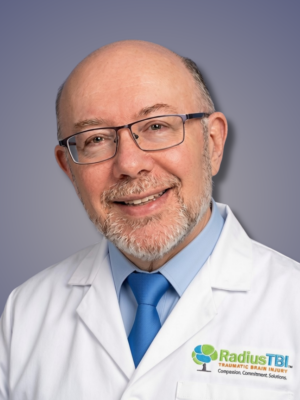

Eric F. Ciliberti, MS, MD
NEURO-OPHTHALMOLOGY/ NEUROLOGY
Dr. Eric F. Ciliberti is a renowned neuro-ophthalmologist with over 30 years of experience. He earned his medical degree from Tulane University School of Medicine, a highly respected institution. Throughout his career, he has been committed to enhancing visual health and diagnosing complex neurologic conditions, leading to countless transformed lives. Dr. Ciliberti's precision and compassion for his patients have defined his remarkable career, earning him the respect and admiration of his colleagues and patients alike.
ERIC F. CILIBERTI, MS, MD
EDUCATION
MD: Tulane University School of Medicine – New Orleans, LA
MS: Physiology, Department of Physiology and Biophysics, Georgetown University Graduate School, Washington, DC
BA: Psychology, Emory University College of Arts & Sciences – Atlanta, GA
Internship: Internal Medicine, University of Miami School of Medicine, Miami, FL
Residency:
-
Ophthalmology, Tulane University School of Medicine, New Orleans, LA
-
Neurology, The Cleveland Clinic
Military Experience:
- UNITED STATES AIR FORCE RESERVE (1998-2006)Aerospace Medicine Physician, Rank: Captain, Patrick Air Force Base, Florida
Awards:
- Outstanding Young Men of America (1988)
- James H. Allen Award for Excellence in Ophthalmology (1991)
Professional Organizations
- American Academy of Neurology and Ophthalmology
Traumatic brain injury (TBI) and concussion can cause a wide range of visual problems that can significantly affect a person's quality of life.
Traumatic brain injury (TBI) is a major cause of morbidity and mortality. Concussion, a form of mild TBI, might be associated with long-term neurological symptoms.
The effects of TBI and concussion are not restricted to cognition and balance. TBI can also affect multiple aspects of vision; mild TBI frequently leads to disruptions in visual functioning, while moderate or severe TBI often causes structural lesions.
Source:pubmed
Neuro-ophthalmology is a specialized eye doctor with expertise in diagnosing and treating neurological disorders affecting the visual system.
How Can Neuro-Ophthalmology Help?
Neuro-ophthalmology has training in neurology and ophthalmology and can diagnose and treat various visual problems associated with brain injury.
These specialists are trained to evaluate the visual system’s function, including the eyes, optic nerves, and visual pathways in the brain.
These tests may include visual acuity testing, visual field testing, color vision testing, and evaluation of eye movements.
Why Specialized Care is Important
Concussions can cause various vision problems, including double vision, blurred vision, sensitivity to light, and difficulty focusing. These problems can significantly impact a patient’s quality of life and ability to perform daily tasks, such as driving or reading.
Seeking specialized care from neuro-ophthalmology is essential for several reasons. First, neuro-ophthalmology has the expertise to accurately diagnose and treat vision problems associated with concussions. They can identify specific visual deficits and develop a treatment plan to address them.
Second, neuro-ophthalmology can access advanced diagnostic tools and treatment options unavailable to other eye doctors. This includes specialized imaging tests that can identify subtle changes in the visual pathways in the brain.
Finally, neuro-ophthalmology work closely with other healthcare providers, including neurologists and physical therapists, to provide a comprehensive treatment plan for patients with concussions.
DID YOU KNOW?
One study found that a large percentage of people with traumatic brain injury (90%) or a stroke (86.7%) had issues with their eye movements. Specifically, problems with focusing and aligning the eyes were more common in those with traumatic brain injury, while crossed eyes and problems with a nerve called the cranial nerve were more common in those who had a stroke. The difficulty in moving the eyes in a coordinated way was similar in both groups.
Reference: Ciuffreda KJ, Kapoor N, Rutner D, et al. Occurrence of oculomotor dysfunctions in acquired brain injury: a retrospective analysis. Optometry. 2007;78:155-161
Source: pubmed

Why Concussions Don’t Just ‘Heal on Their Own’
Concussions aren’t just bruises — they trigger a metabolic brain crisis invisible on CT and MRI scans. Learn why specialized TBI care matters and when to stop waiting for symptoms to pass on their own.
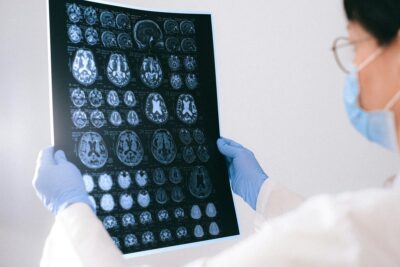
3 Dangerous Misconceptions About Concussion Recovery That Could Be Harming You
Still struggling after a concussion? Learn the 3 most dangerous myths about concussion recovery — including why “rest and wait” and clear scans don’t mean you’re fine. Radius TBI provides comprehensive TBI diagnosis and treatment.
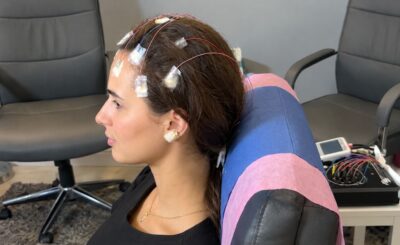
Train Your Brain Like a Muscle: How Neurofeedback Therapy Is Changing Mental Health and Sleep Treatment
Discover how neurofeedback therapy at Radius TBI retrains your brainwave patterns to improve sleep, reduce anxiety, and support mental health — without medication. Start with a custom brain map.
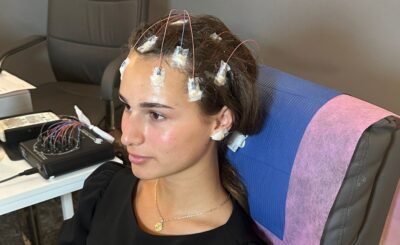
QEEG Brain Map Interpretation
In the world of neuroscience, one of the advanced tools used to understand brain function is the Quantitative Electroencephalogram (QEEG), often referred to as brain mapping. But who interprets these intricate brain maps, and why is their expertise crucial?
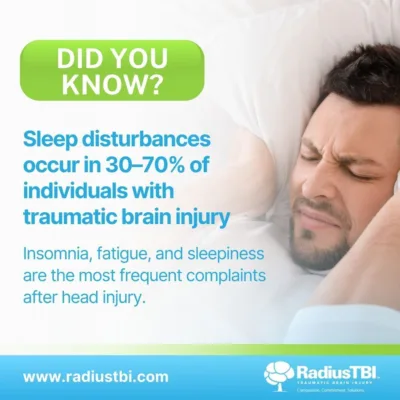
Sleep Disturbance
Did you know? Dealing with a traumatic brain injury (TBI) often means navigating a range of complications, one of the most prevalent being sleep disturbances. Surprisingly, 30-70% of individuals with a TBI experience some form of sleep disruption according to a study published on NCBI.
Fort Lauderdale Medical Team
Radius TBI comprises a multidisciplinary medical team of neurology, neuropsychology, audiology, neuro-ophthalmology, psychology, and physical therapy dedicated to providing outstanding medical care and improving the quality of life in patients suffering from traumatic brain injury (TBI) and concussion.

CLINICAL PHYSIOLOGIST / PSYCHOTHERAPIST: Leila Alami, DHSc, LMHC, GradCert(Neuro), BCN
DHSc: Doctor of Health Science, Specialty in Neurological Functions, Nova Southeastern University, College of Health Care Sciences, Ft. Lauderdale, FL
MS: Mental Health Counseling, Nova Southeastern University, Ft Lauderdale, FL