

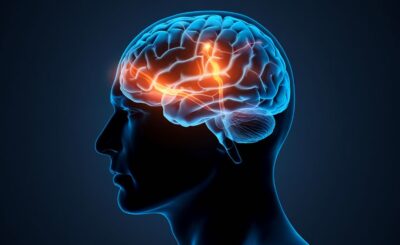
Why Concussions Don’t Just ‘Heal on Their Own’
Concussions aren’t just bruises — they trigger a metabolic brain crisis invisible on CT and MRI scans. Learn why specialized TBI care matters and when to stop waiting for symptoms to pass on their own.
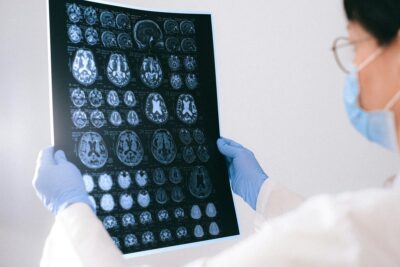
3 Dangerous Misconceptions About Concussion Recovery That Could Be Harming You
Still struggling after a concussion? Learn the 3 most dangerous myths about concussion recovery — including why “rest and wait” and clear scans don’t mean you’re fine. Radius TBI provides comprehensive TBI diagnosis and treatment.
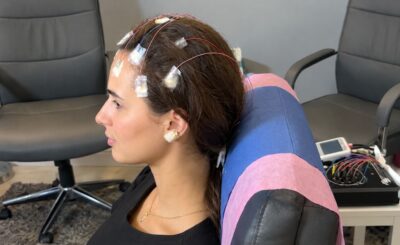
Train Your Brain Like a Muscle: How Neurofeedback Therapy Is Changing Mental Health and Sleep Treatment
Discover how neurofeedback therapy at Radius TBI retrains your brainwave patterns to improve sleep, reduce anxiety, and support mental health — without medication. Start with a custom brain map.
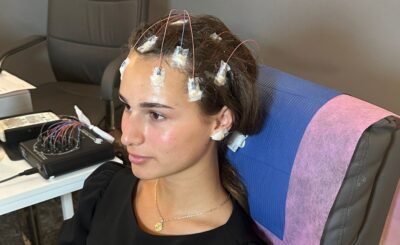
QEEG Brain Map Interpretation
In the world of neuroscience, one of the advanced tools used to understand brain function is the Quantitative Electroencephalogram (QEEG), often referred to as brain mapping. But who interprets these intricate brain maps, and why is their expertise crucial?
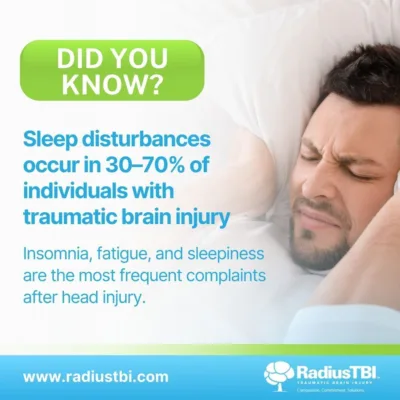
Sleep Disturbance
Did you know? Dealing with a traumatic brain injury (TBI) often means navigating a range of complications, one of the most prevalent being sleep disturbances. Surprisingly, 30-70% of individuals with a TBI experience some form of sleep disruption according to
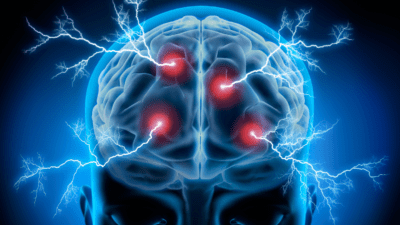
Understanding Routine EEG, QEEG, and Ambulatory EEG Tests
EEG, QEEG, and Ambulatory EEG are distinct forms of electroencephalography, each serving unique purposes in the diagnosis and monitoring of neurological conditions.
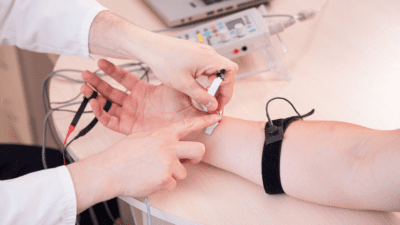
A Deep Dive into Electromyography (EMG Test): Decoding the Language of Muscles and Nerves
Electromyography (EMG) is a diagnostic procedure that plays a crucial role in unraveling the intricacies of the neuromuscular system. By measuring the electrical activity within muscles and the nerves controlling them, EMG provides valuable insights for the diagnosis and management
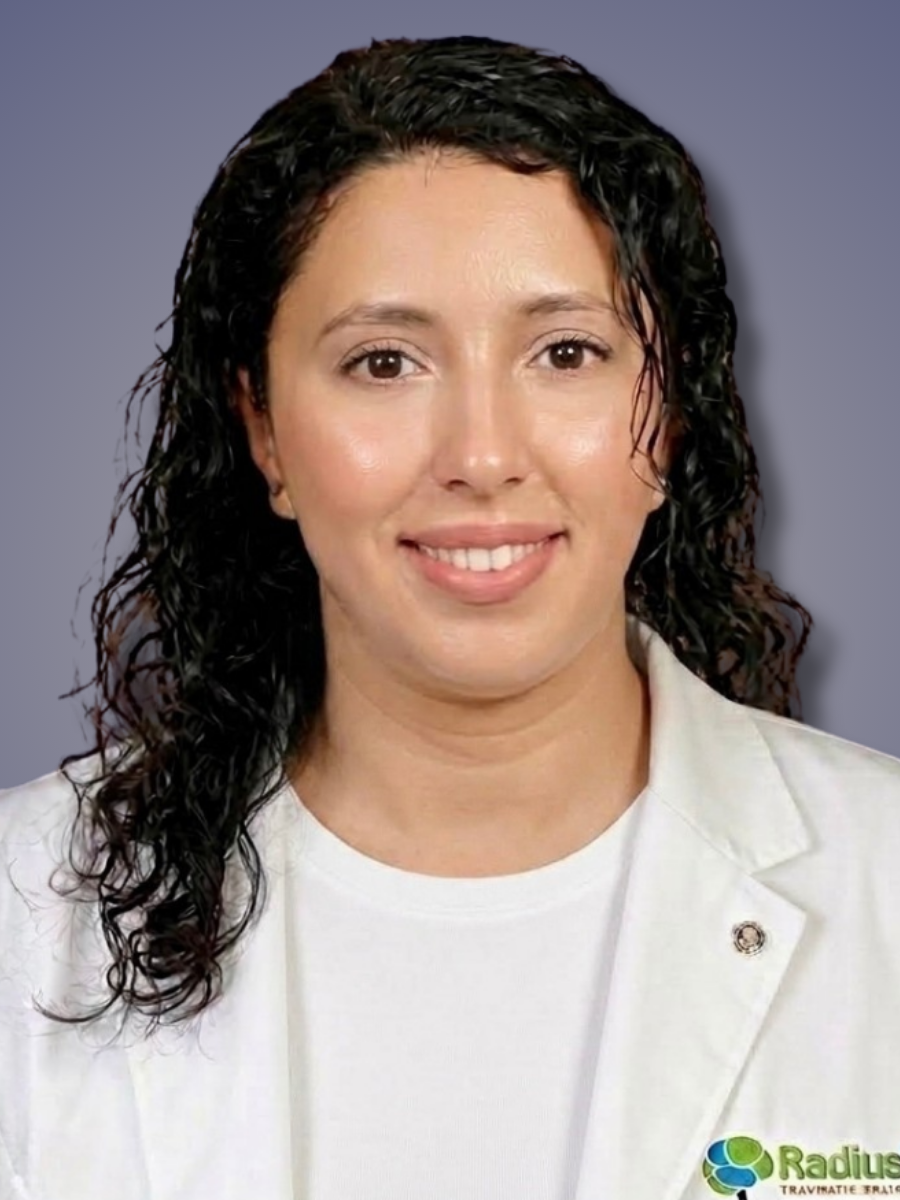
Psychotherapist: Leila Alami, DHSc, LMHC, GradCert(Neuro), BCN
CLINICAL PHYSIOLOGIST / PSYCHOTHERAPIST: Leila Alami, DHSc, LMHC, GradCert(Neuro), BCN
DHSc: Doctor of Health Science, Specialty in Neurological Functions, Nova Southeastern University, College of Health Care Sciences, Ft. Lauderdale, FL
MS: Mental Health Counseling, Nova Southeastern University, Ft. Lauderdale, FL

Pain Medicine Specialist
Home Pain doctor Pain doctors and neurologists often collaborate closely due to the intricate relationship between pain and neurological conditions.

Emergency Medicine: Ilya Michael Chern, MD
BOARD-CERTIFIED EMERGENCY MEDICINE: Ilya Michael Chern, MD
MD: Michigan State University – East Lansing, MI
Residency: Emergency Medicine, Denver General & Affiliates – Denver, CO

Neuro-Ophthalmology: Eric F. Ciliberti, MS, MD
NEUROLOGIST/ NEURO-OPHTHALMOLOGIST: Eric F. Ciliberti, MS, MD
MD: Tulane University School of Medicine – New Orleans, LA.
Residency: Ophthalmology, Tulane University School of Medicine, New Orleans, LA and Neurology, The Cleveland Clinic
Fellowship: Neuro-ophthalmology, Neuro-ophthalmology Associates, Miami, FL